


The decision to install diffused polycarbonate sheets for factory roofing is ultimately a practical one — how much does natural daylighting reduce electricity costs, improve working conditions, and deliver a measurable return on investment? At Lyon Plastic, we let our completed projects speak for themselves. From our own manufacturing facility in Tainan to large-scale industrial installations for Chin Fong Machine Industrial and Ming Jilee Enterprise, every project on this page is a real-world demonstration of what diffused polycarbonate roofing delivers in a working factory environment.
Why Diffused — Not Clear — for Factory Roofing
For factory floors, warehouses, and industrial workspaces, the choice between clear and diffused polycarbonate is straightforward. Clear panels admit direct, concentrated sunlight — creating bright spots, harsh shadows, and glare on machinery and workstations. Diffused panels scatter incoming light evenly across the entire floor area, eliminating glare and providing the consistent, shadow-free illumination that industrial work environments require.
Lyon Plastic's #L1 Angular Profile Corrugated Polycarbonate Sheet in diffused variant is the specified product across all factory projects on this page — chosen by clients for its glare-free light distribution, UV protection, and long-term performance in demanding industrial conditions.
Key Benefits of Diffused Polycarbonate Sheets for Factory Applications
| Benefit | Detail |
|---|---|
| Glare-Free Workfloor Lighting | Diffused surface scatters light uniformly — eliminates hot spots and shadows on machinery and workstations |
| Reduced Electricity Costs | Daylighting through translucent roof panels directly reduces artificial lighting consumption during working hours |
| Impact & Weather Resistance | Withstands hail, wind load, and typhoon conditions in Taiwan's climate |
| Co-Extruded UV Protection | Built-in UV coating prevents yellowing and maintains light transmission for 10+ years |
| Profile-Matched to Metal Roofing | Angular profile integrates seamlessly with standard corrugated metal factory roofing systems |
| Lightweight — Minimal Structural Load | Easy to install over existing purlin structures without reinforcement |
| Flame Retardant | Self-extinguishing properties meet industrial building fire safety requirements |
industrial environment, providing consistent daylighting that supports both operational visibility and worker comfort across extended shifts.
Frequently Asked Questions
Q: Why do factories specify diffused rather than clear polycarbonate panels?
A: Diffused panels scatter light evenly across the floor, eliminating glare and harsh shadows on machinery and workstations. Clear panels transmit direct sunlight that creates uneven brightness and can cause visibility issues in precision work environments.
Q: Will diffused polycarbonate panels deliver enough light for factory operations?
A: Yes — Lyon Plastic's diffused #L1 panels provide substantial light transmission while distributing it uniformly. Installations at Chin Fong Machine and Ming Jilee Enterprise demonstrate effective daylighting across full production floor areas.
Q: How do polycarbonate sheets integrate with existing metal factory roofing?
A: The #L1 angular profile matches standard corrugated metal roofing — individual metal sheets can be replaced one-for-one with polycarbonate panels using existing purlins and standard roofing fixings.
Q: How long will the panels maintain their light transmission in a factory environment?
A: Co-extruded UV protection prevents yellowing and degradation. Under normal Taiwanese industrial conditions, Lyon Plastic's panels maintain consistent light transmission for 10 years or more.
Q: Can polycarbonate roofing panels withstand Taiwan's typhoon conditions?
A: Yes — properly installed corrugated polycarbonate panels with adequate fastening to structural purlins are engineered to withstand high wind loads and driving rain typical of typhoon events in Taiwan.
Q: Is it possible to install polycarbonate panels without disrupting factory operations?
A: In most cases, yes. Because each PC panel replaces a single existing metal sheet, installations can be completed in sections, minimising disruption to the factory floor below.
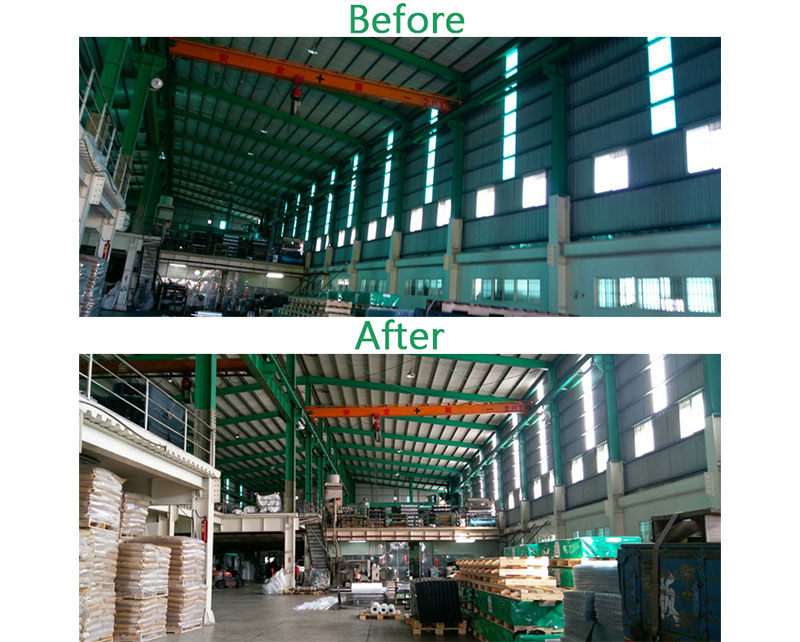
FACTORY IN TAINAN CITY, TAIWAN (LYON PLASTIC CO., LTD.)
ITEM:#L1 DIFFUSED POLYCARBONATE SHEET
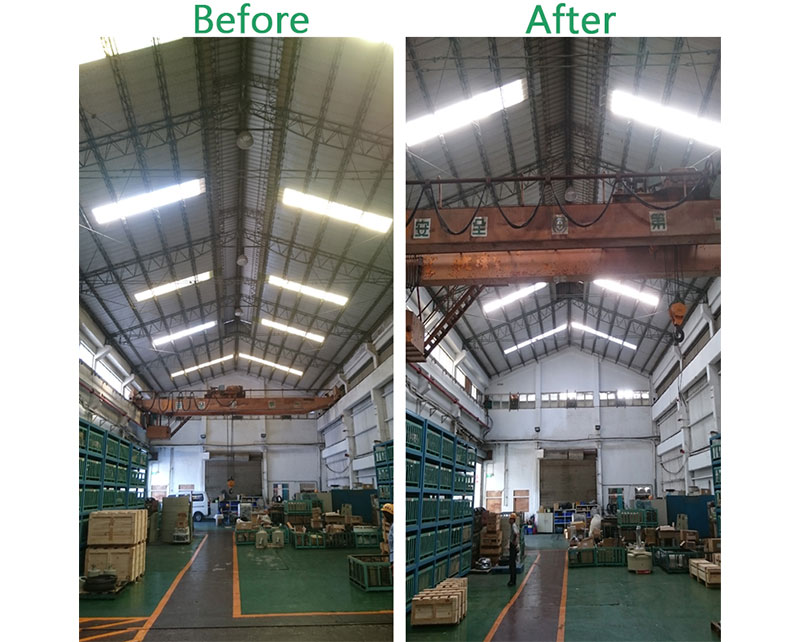
FACTORY IN CHANGHUA CITY, TAIWAN(CHIN FONG MACHINE INDUSTRIAL CO., LTD.)
ITEM:#L1 DIFFUSED POLYCARBONATE SHEET -1
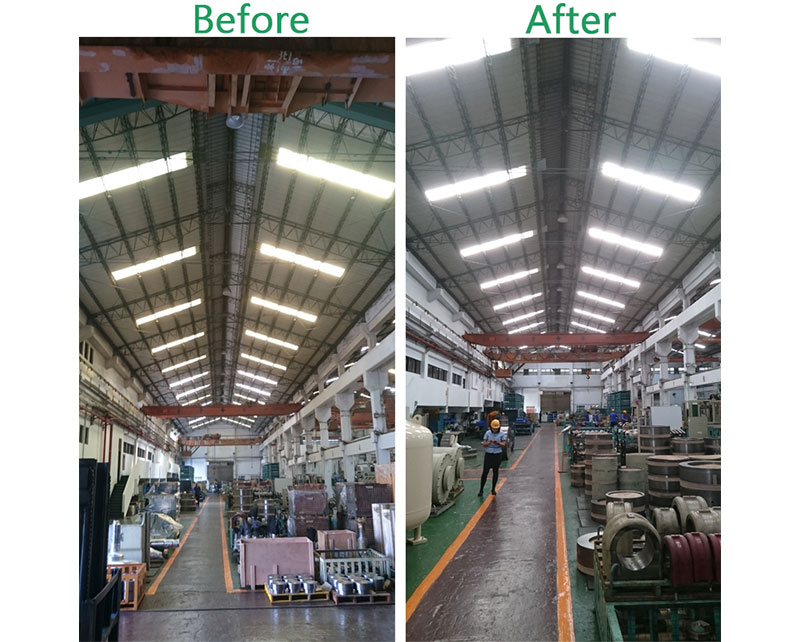
FACTORY IN CHANGHUA CITY, TAIWAN(CHIN FONG MACHINE INDUSTRIAL CO., LTD.)
ITEM:#L1 DIFFUSED POLYCARBONATE SHEET -2
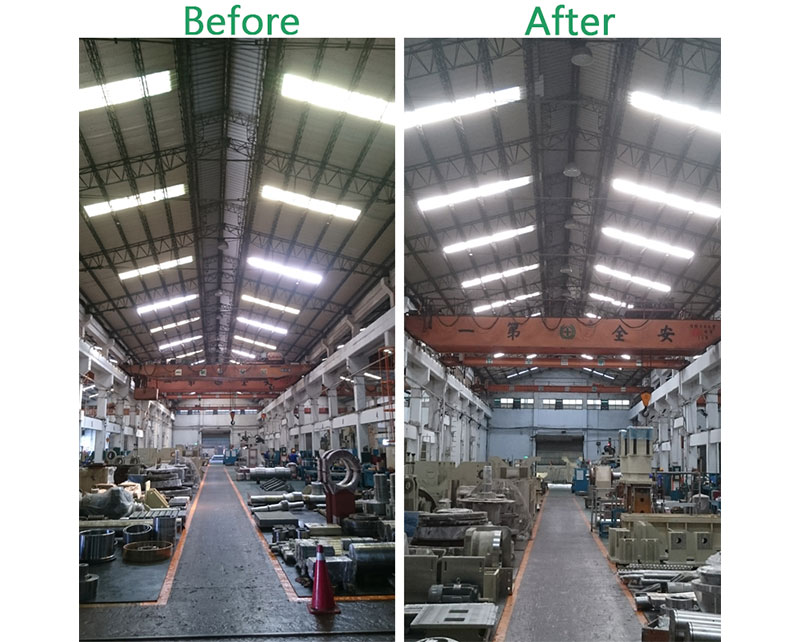
FACTORY IN CHANGHUA CITY, TAIWAN(CHIN FONG MACHINE INDUSTRIAL CO., LTD.)
ITEM:#L1 DIFFUSED POLYCARBONATE SHEET -3
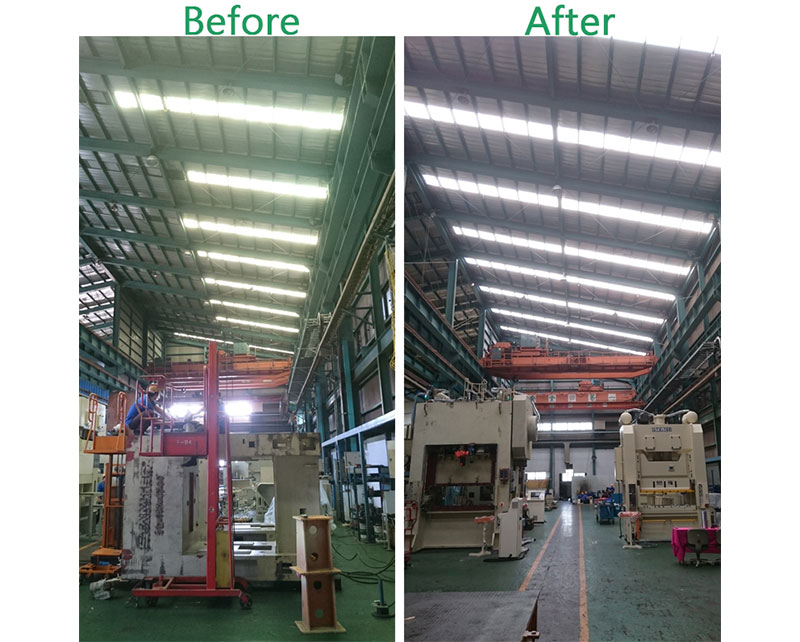
FACTORY IN CHANGHUA CITY, TAIWAN(CHIN FONG MACHINE INDUSTRIAL CO., LTD.)
ITEM:#L1 DIFFUSED POLYCARBONATE SHEET -4
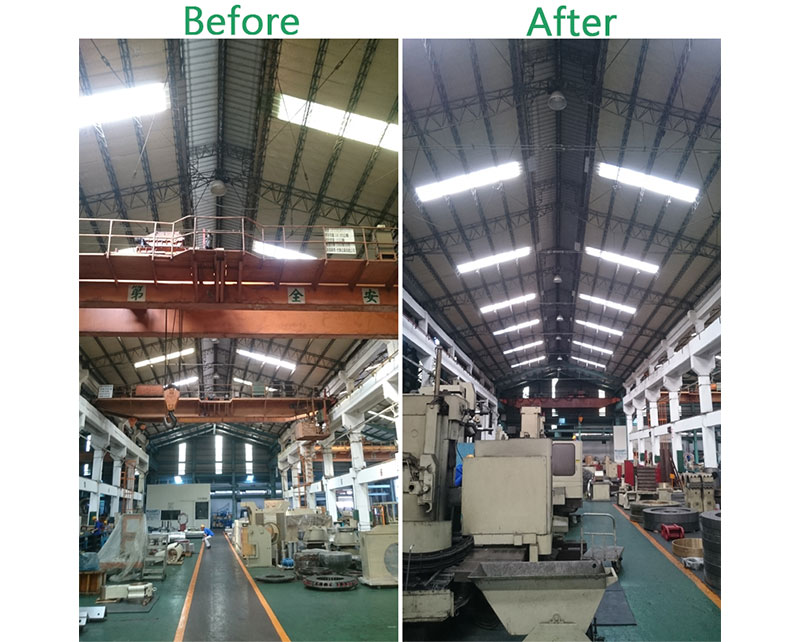
FACTORY IN CHANGHUA CITY, TAIWAN(CHIN FONG MACHINE INDUSTRIAL CO., LTD.)
ITEM:#L1 DIFFUSED POLYCARBONATE SHEET -5
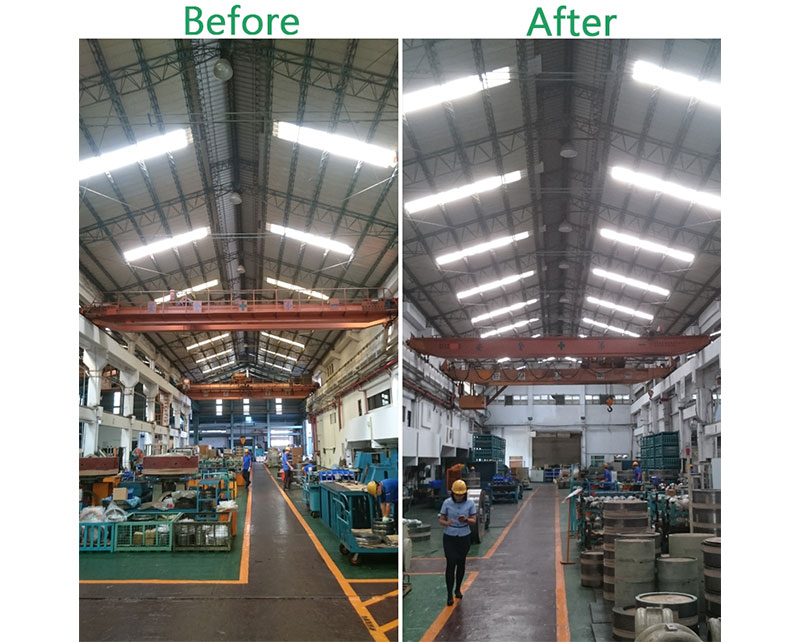
FACTORY IN CHANGHUA CITY, TAIWAN(CHIN FONG MACHINE INDUSTRIAL CO., LTD.)
ITEM:#L1 DIFFUSED POLYCARBONATE SHEET -6
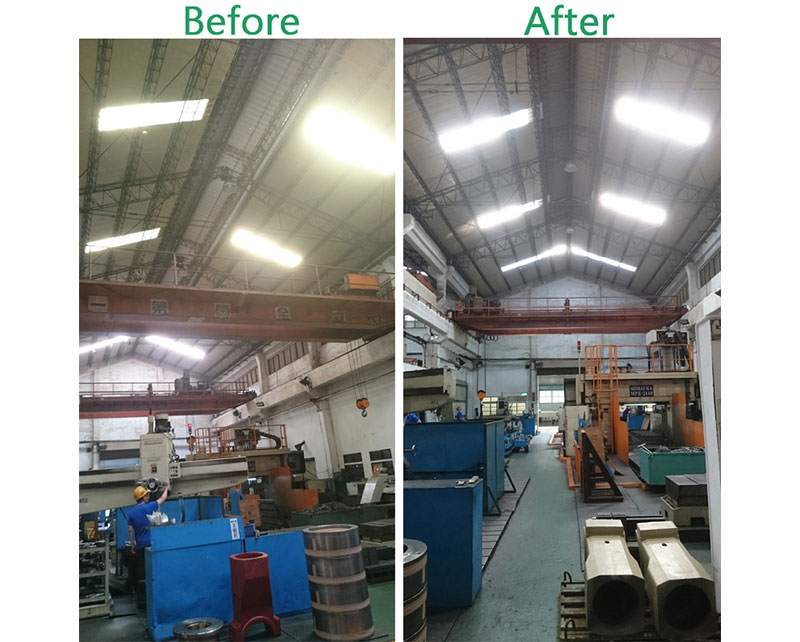
FACTORY IN CHANGHUA CITY, TAIWAN(CHIN FONG MACHINE INDUSTRIAL CO., LTD.)
ITEM:#L1 DIFFUSED POLYCARBONATE SHEET -7
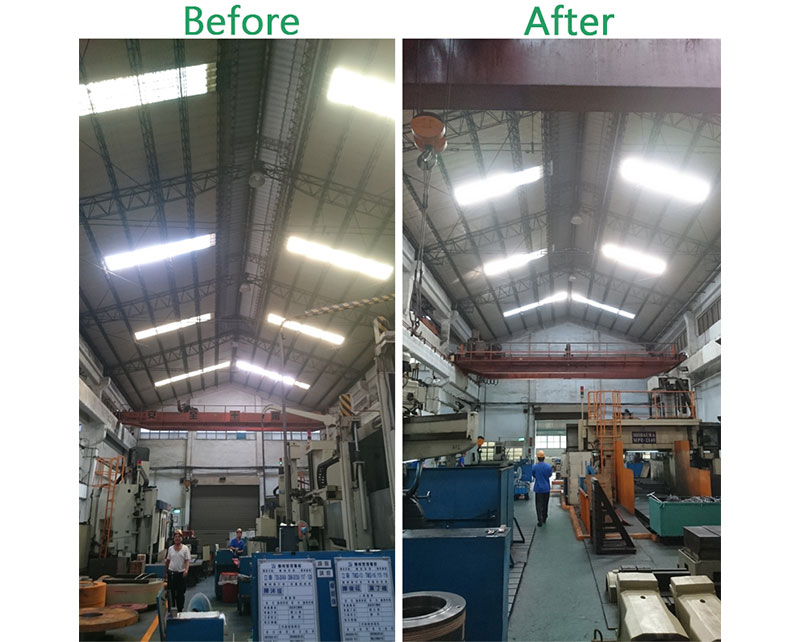
FACTORY IN CHANGHUA CITY, TAIWAN(CHIN FONG MACHINE INDUSTRIAL CO., LTD.)
ITEM:#L1 DIFFUSED POLYCARBONATE SHEET -8
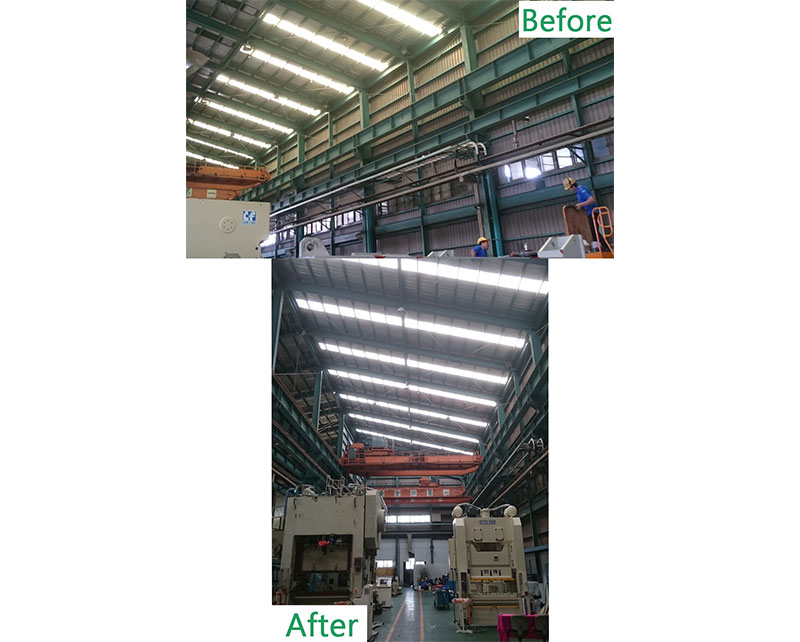
FACTORY IN CHANGHUA CITY, TAIWAN(CHIN FONG MACHINE INDUSTRIAL CO., LTD.)
ITEM:#L1 DIFFUSED POLYCARBONATE SHEET -9
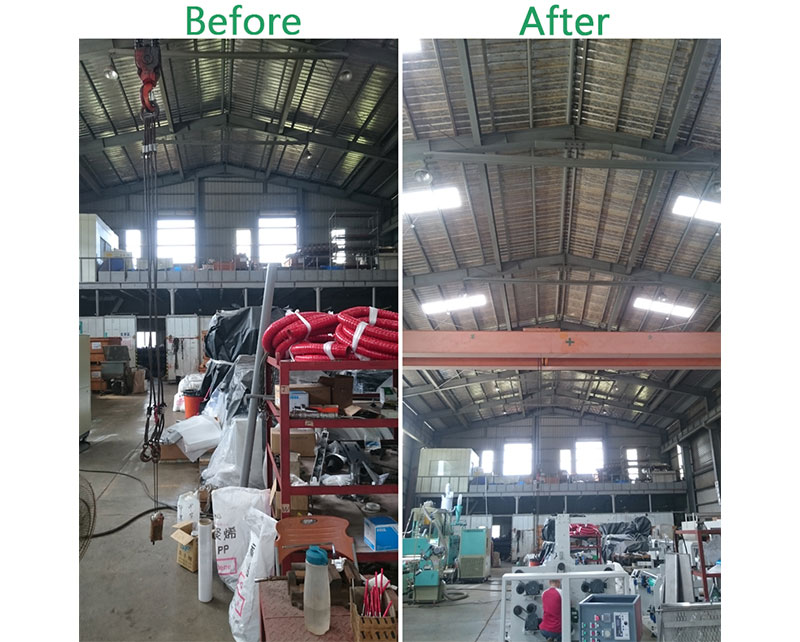
FACTORY IN TAINAN CITY, TAIWAN(MING JILEE ENTERPRISE CO., LTD.)
ITEM:#L1 DIFFUSED POLYCARBONATE SHEET -1
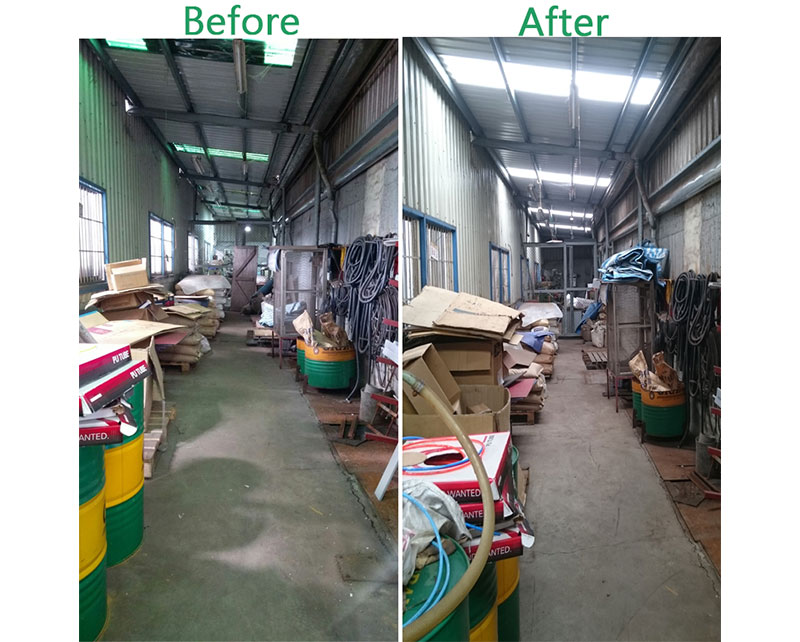
FACTORY IN TAINAN CITY, TAIWAN(MING JILEE ENTERPRISE CO., LTD.)
ITEM:#L1 DIFFUSED POLYCARBONATE SHEET -2
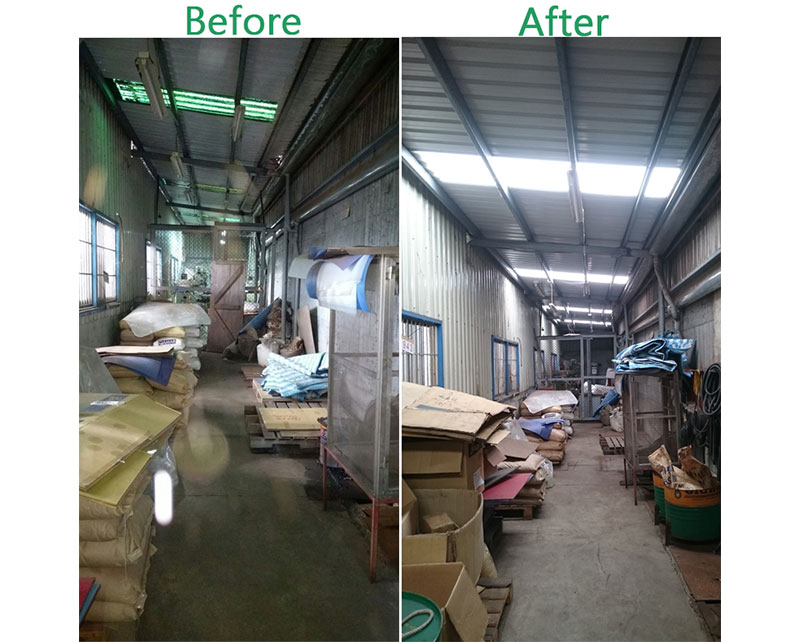
FACTORY IN TAINAN CITY, TAIWAN(MING JILEE ENTERPRISE CO., LTD.)
ITEM:#L1 DIFFUSED POLYCARBONATE SHEET -3
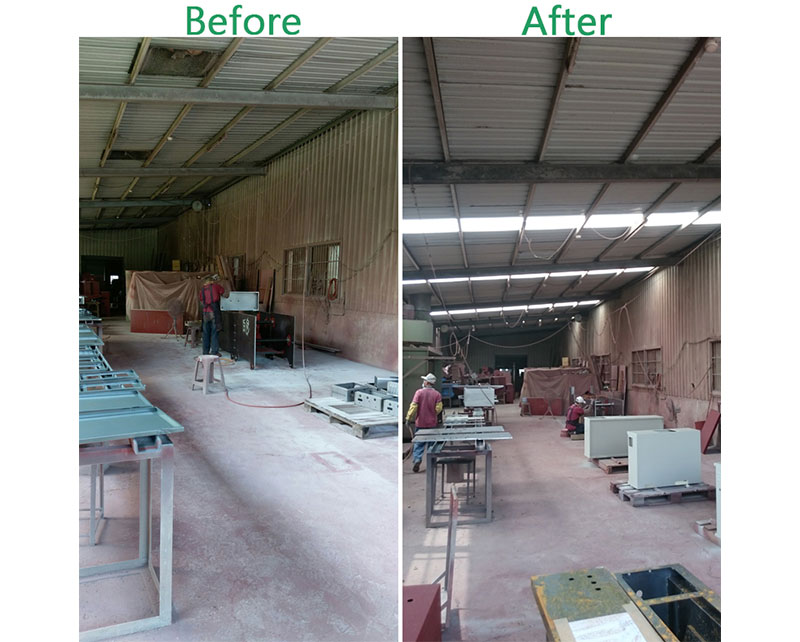
FACTORY IN TAINAN CITY, TAIWAN(MING JILEE ENTERPRISE CO., LTD.)
ITEM:#L1 DIFFUSED POLYCARBONATE SHEET -4
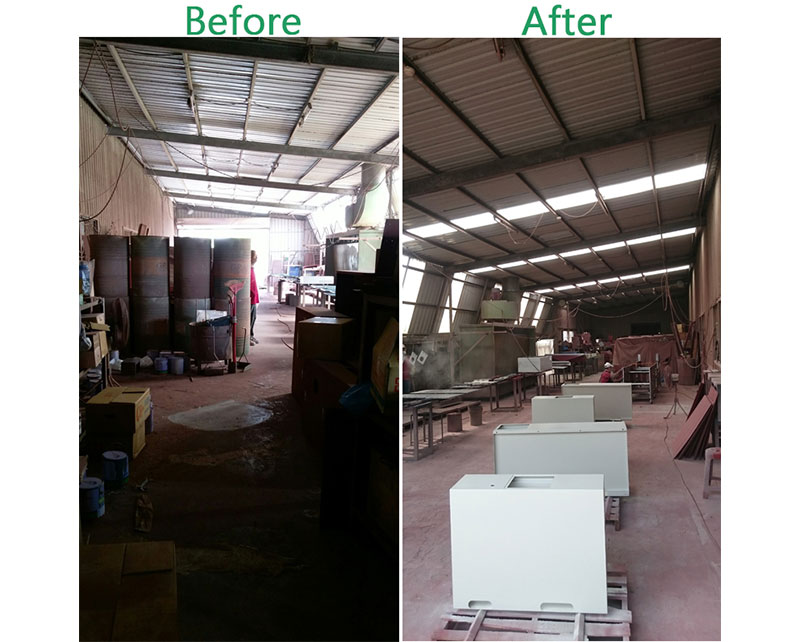
FACTORY IN TAINAN CITY, TAIWAN(MING JILEE ENTERPRISE CO., LTD.)
ITEM:#L1 DIFFUSED POLYCARBONATE SHEET -5
