


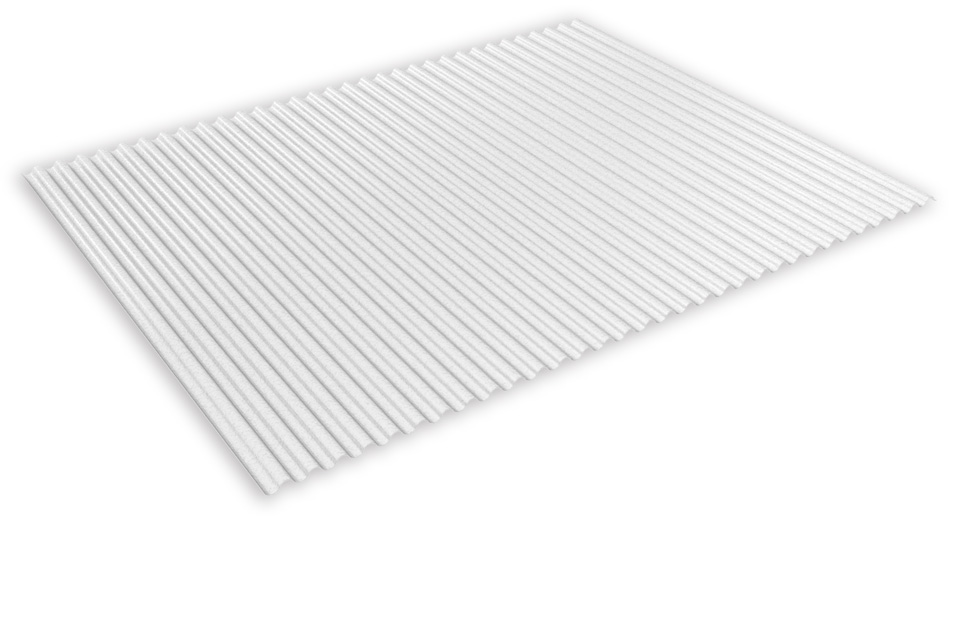

Do it Yourself
Uses: House or Shed Frames, Carports, Courtyard, Installation art, Interior design, Polycarbonate Skylight and Polycarbonate Roofing
Note: A series of packages are available for residential home, gardening, exhibition, polycarbonate skylight and polycarbonate roofing applications.
CASE STUDIES
Whether you are covering a backyard patio, building a carport, designing a garden pergola, or bringing a creative installation to life, polycarbonate panels for patio and DIY applications give you the flexibility, durability, and natural light transmission to get the job done. Lyon Plastic's corrugated polycarbonate sheets are lightweight enough to handle on your own, easy to cut with standard tools, and tough enough to withstand years of outdoor exposure — making them the material of choice for homeowners, designers, and makers alike.
Why Polycarbonate is the Ideal DIY Roofing Material
Polycarbonate corrugated panels combine properties that no other DIY roofing material can match: the transparency of glass, the lightweight handling of plastic, and impact resistance that leaves both glass and fiberglass far behind. A co-extruded UV-protective coating on both surfaces prevents yellowing and keeps the panel clear and strong through years of sun and rain. Whether the project is a weekend patio cover or a large-scale creative installation, Lyon Plastic polycarbonate panels deliver results that last.
Key Benefits for DIY & Creative Projects
| Benefit | Detail |
|---|---|
| Easy to Cut & Install | Cuts cleanly with a fine-tooth saw; no specialist tools or heavy lifting required |
| Natural Light Transmission | Clear and diffused options bring daylight into covered spaces without heat build-up |
| Cold-Formable for Curved Designs | Bends across corrugations on-site — perfect for arched pergolas, verandas, and sculptural forms |
| Impact & Weather Resistant | Withstands hail, wind, and heavy rain — far stronger than glass or fiberglass |
| Co-Extruded UV Protection | Built-in UV coating prevents yellowing and material degradation for 10+ years |
| Lightweight & Easy to Handle | Solo installation is practical — no crane or lifting team needed |
| Versatile for Creative Applications | Used in installation art, exhibition pavilions, interior design, and architectural features |
| Low Maintenance | Wipe down with mild soapy water — no special treatment or recoating required |
DIY, Residential & Creative Applications
Lyon Plastic polycarbonate panels have been chosen for a remarkable range of DIY, residential, and creative projects across Taiwan:
-
Patio & terrace covers
— weatherproof your outdoor living space while keeping it bright and open year-round -
Pergola roofing
— clear or diffused panels turn an open pergola frame into a usable all-weather space -
Carports
— lightweight panels provide rain protection for vehicles without blocking natural light (Carports Design, Tainan City) -
Veranda & balcony covers
— DIY-friendly installation gives covered outdoor rooms a bright, airy feel -
Garden shed skylights
— replace opaque roofing sections with translucent PC panels to illuminate storage areas naturally -
Exhibition & event pavilions
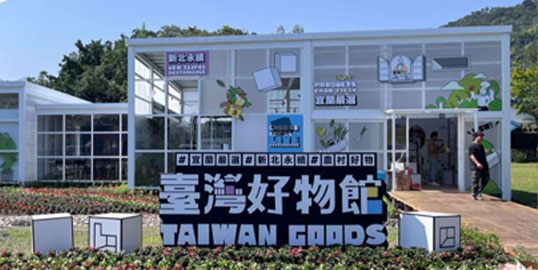
— translucent polycarbonate creates distinctive, light-filled temporary and permanent structures (Yilan Green Expo, Taiwan Goods Venue) -
Installation art
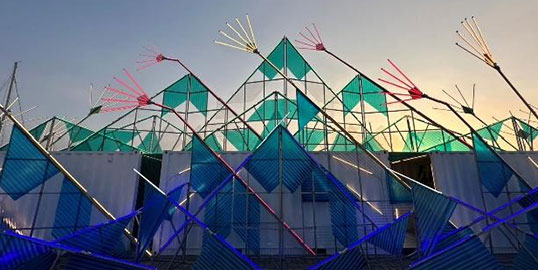
— the material's translucency, flexibility, and structural properties make it a medium in its own right (Formosa's Dream of Taiwan & Returning Blue, Pier-2 Art Center, Kaohsiung) -
Interior design features
— corrugated polycarbonate is used as decorative wall panels, ceiling features, and partition screens in commercial and residential interiors -
University & public space design
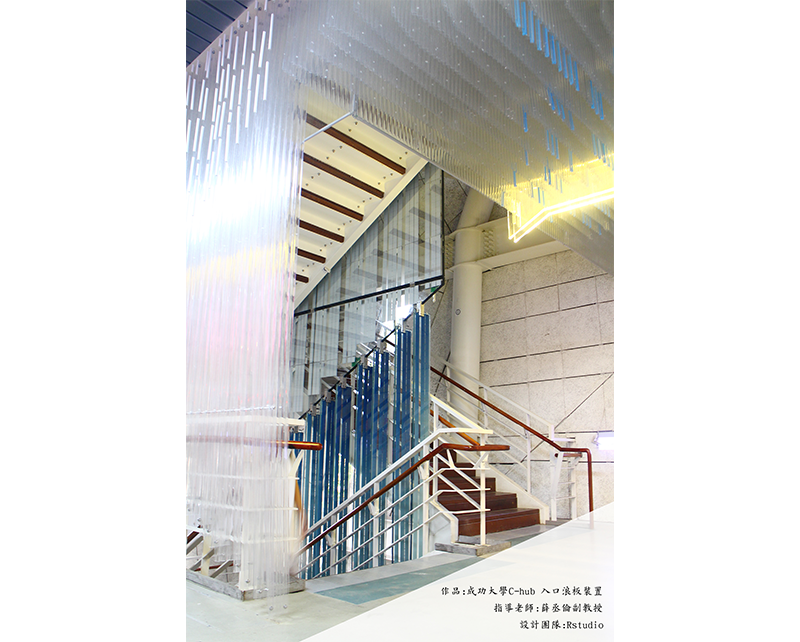
— architectural entrance features and covered campus structures (NCKU C-Hub, Tainan) -
Commercial building facades
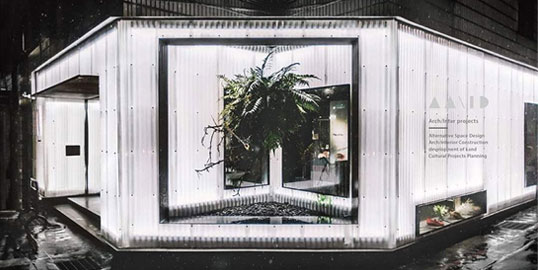
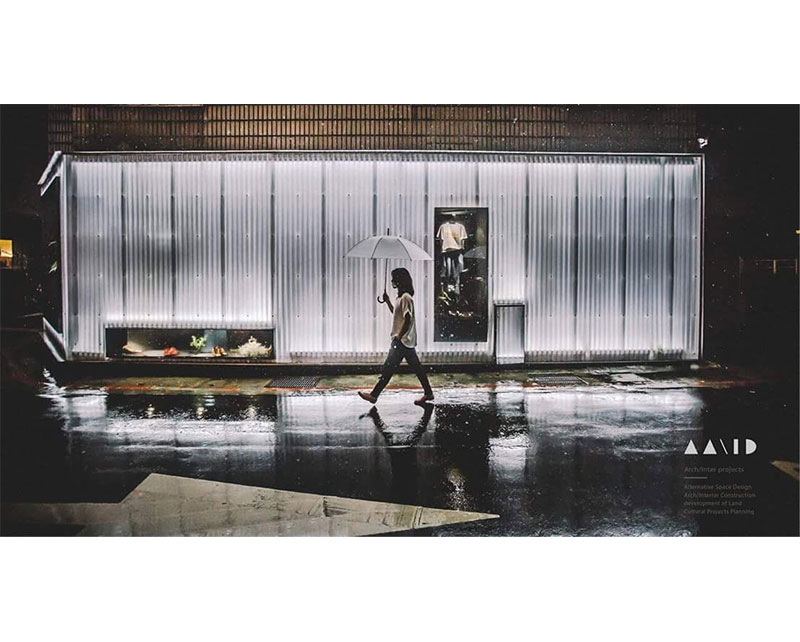
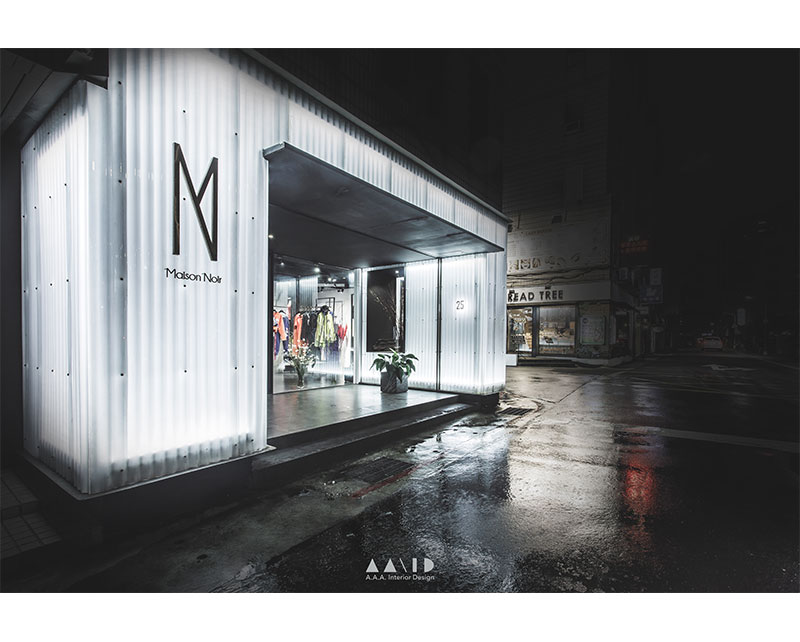
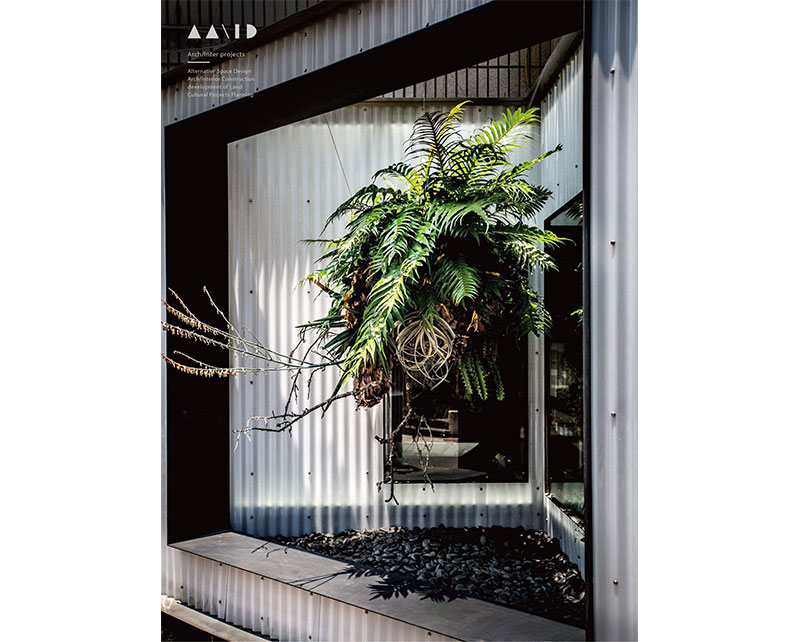
— lightweight cladding that admits light while defining a building's exterior character (Maison Noir II, designed by AAAID Studio)
Clear vs. Diffused — Which Panel for Your DIY Project?
| Clear Panels | Diffused Panels | |
|---|---|---|
| Light Quality | Direct / transparent | Soft / scattered |
| Appearance | Glass-like clarity | Frosted, matte effect |
| Privacy | None | Partial visual privacy |
| Best For | Carports, garden covers, shed skylights | Patios, pergolas, verandas, interior design |
| Creative Use | Transparency effects, light art | Light diffusion, glowing surfaces |
For most patio and pergola projects, diffused polycarbonate panels create a more comfortable environment by softening direct sunlight and reducing glare. For creative and artistic installations, both clear and diffused variants offer distinct visual effects when light passes through or reflects off the corrugated surface.
Frequently Asked Questions
Q: Can I install polycarbonate panels on a pergola by myself?
A: Yes — MINI corrugated polycarbonate panels are lightweight, easy to cut with a circular saw, and fasten to standard timber or metal frames using simple roofing screws with sealing washers.
Q: Will polycarbonate panels yellow or cloud over time outdoors?
A: Lyon Plastic panels include a co-extruded UV-protective coating that prevents UV degradation — maintaining clarity and structural integrity for 10+ years under normal outdoor conditions.
Q: Can the panels be used for curved patio or pergola roofs?
A: Yes. The MINI corrugated profile flexes across its corrugations, allowing cold-forming into gentle arches on-site without specialist equipment or risk of cracking.
Q: Are polycarbonate panels suitable for interior design applications?
A: Yes — corrugated polycarbonate is used as decorative wall cladding, ceiling features, and partitions in commercial and residential interiors, valued for its light-diffusing properties and contemporary aesthetic.
Q: What is the difference between #L8 MINI and #L5 profiles for DIY use?
A: Both are suitable for DIY applications. The MINI #L8 has a smaller corrugation pitch — giving a finer, more refined look ideal for patios and design projects. The #L5 has a wider profile suited to larger spans and bolder visual statements.
Q: How do I cut polycarbonate panels to size on-site?
A: Use a fine-tooth circular saw or jigsaw. Score a cutting line on the protective film, clamp panels firmly, and cut steadily. Pre-drill fixing holes slightly oversized to allow for thermal expansion.
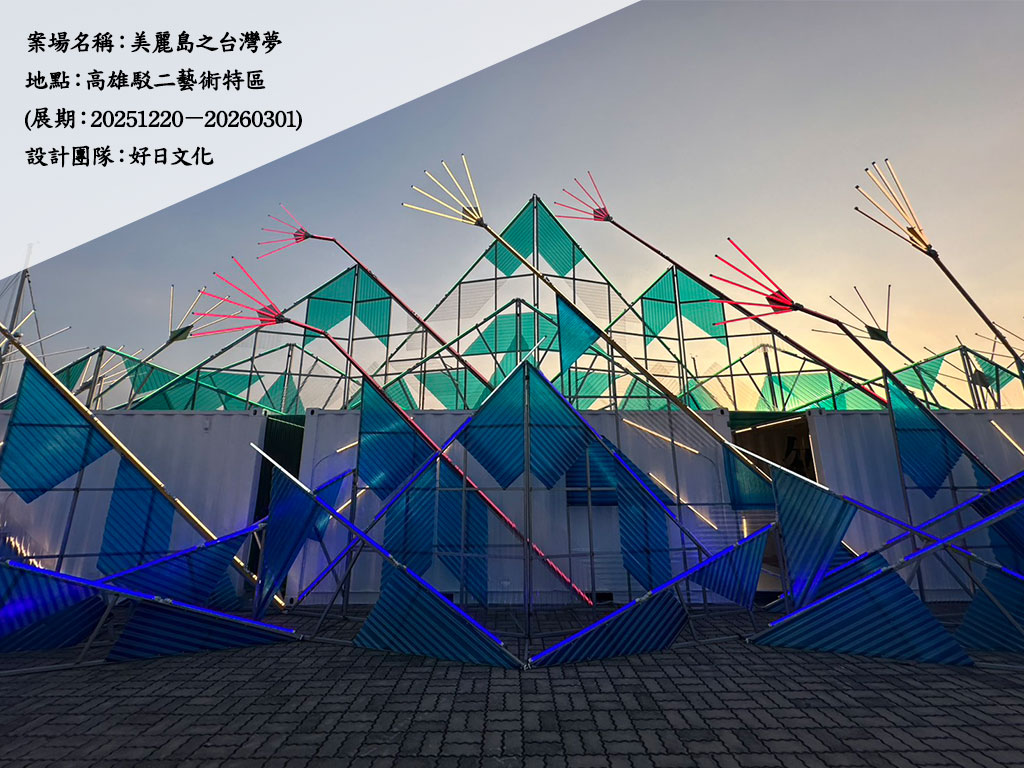
Formosa's Dream of Taiwan
LOCATION: THE PIER-2 ART CENTER IN KAOHSIUNG CITY, TAIWAN.
DESIGNED BY Haorih Creative Studio
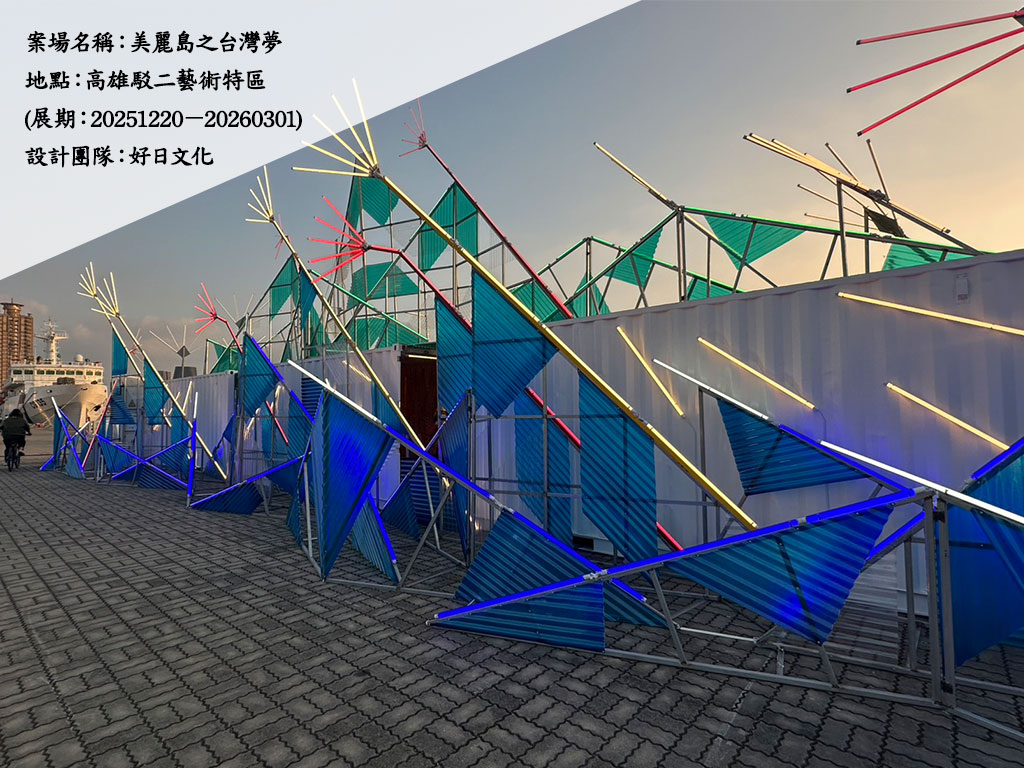
Formosa's Dream of Taiwan
LOCATION: THE PIER-2 ART CENTER IN KAOHSIUNG CITY, TAIWAN.
DESIGNED BY Haorih Creative Studio
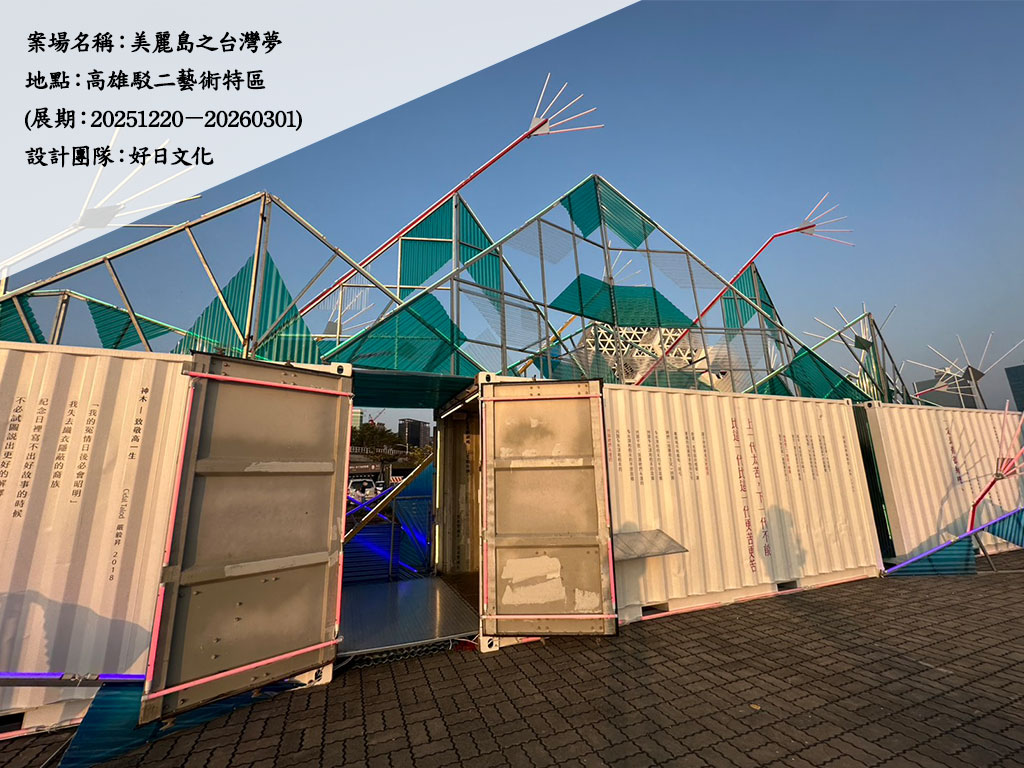
Formosa's Dream of Taiwan
LOCATION: THE PIER-2 ART CENTER IN KAOHSIUNG CITY, TAIWAN.
DESIGNED BY Haorih Creative Studio
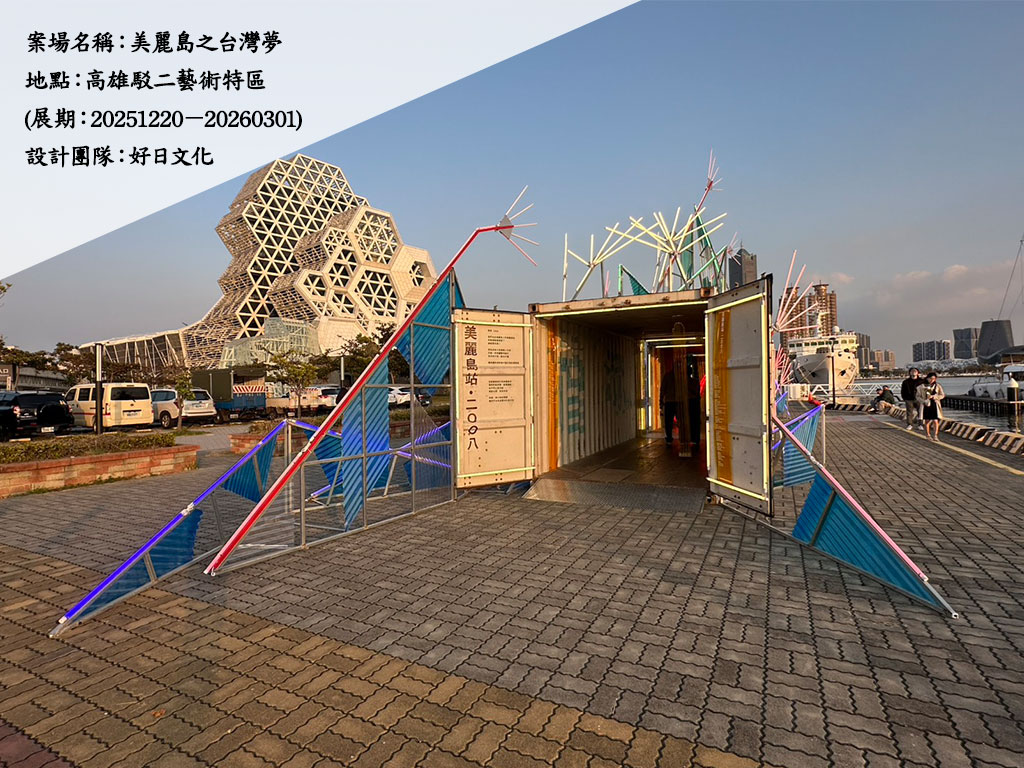
Formosa's Dream of Taiwan
LOCATION: THE PIER-2 ART CENTER IN KAOHSIUNG CITY, TAIWAN.
DESIGNED BY Haorih Creative Studio
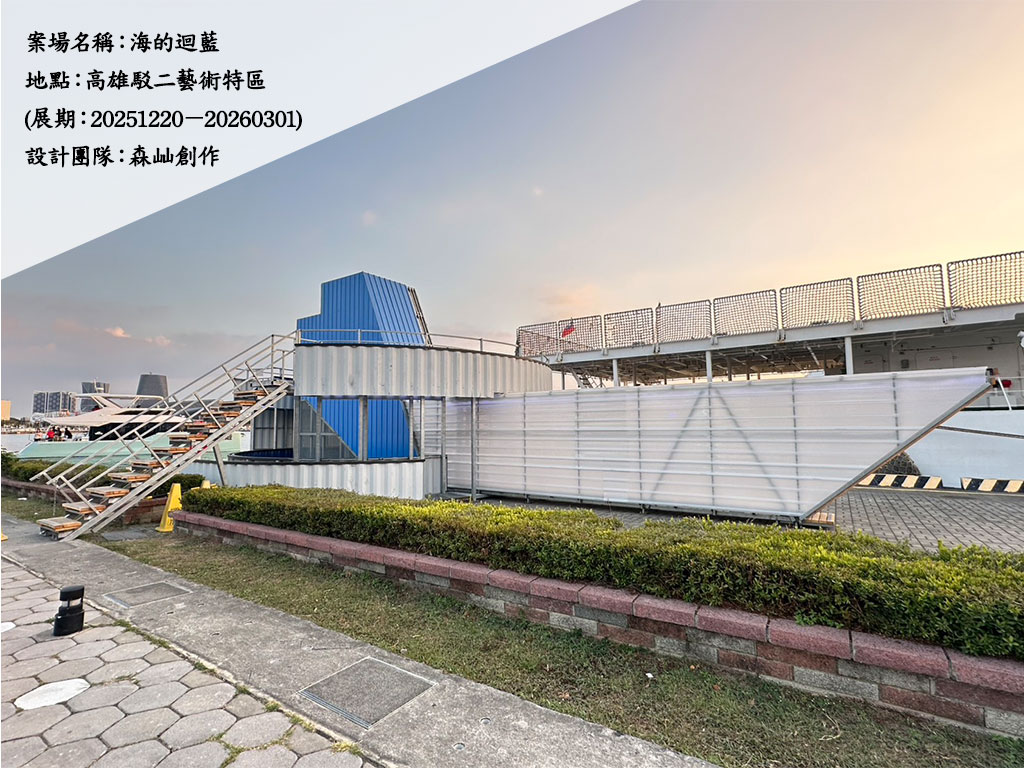
Returning Blue
LOCATION: THE PIER-2 ART CENTER IN KAOHSIUNG CITY, TAIWAN.
DESIGNED BY SenseSite Studio
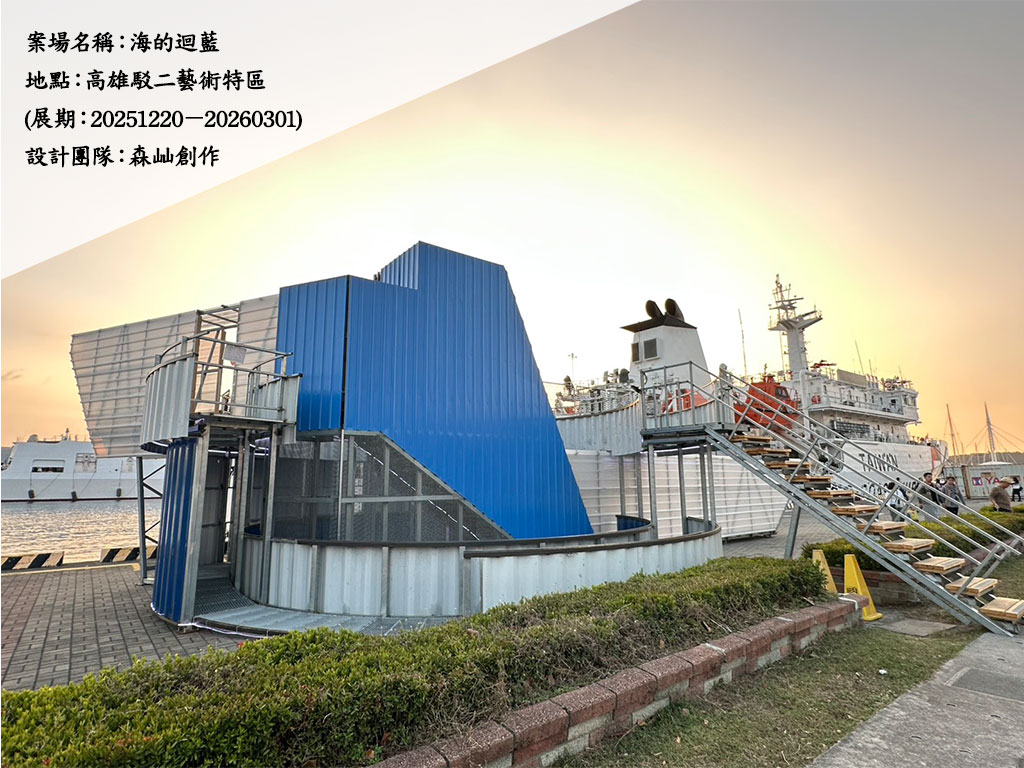
Returning Blue
LOCATION: THE PIER-2 ART CENTER IN KAOHSIUNG CITY, TAIWAN.
DESIGNED BY SenseSite Studio
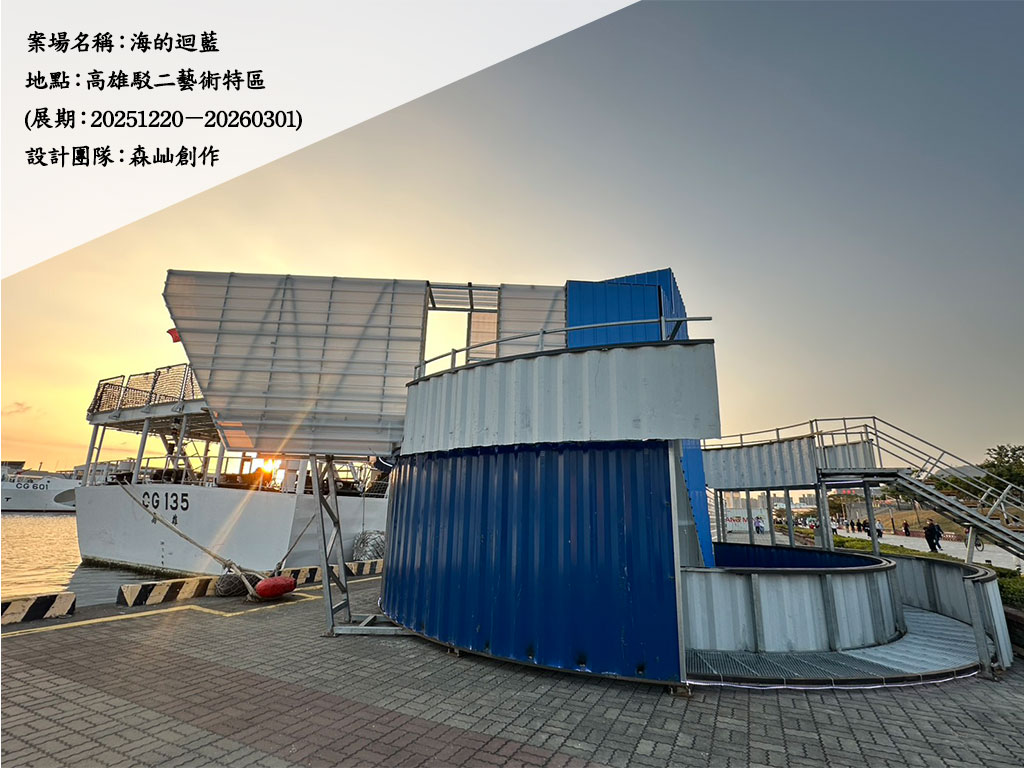
Returning Blue
LOCATION: THE PIER-2 ART CENTER IN KAOHSIUNG CITY, TAIWAN.
DESIGNED BY SenseSite Studio
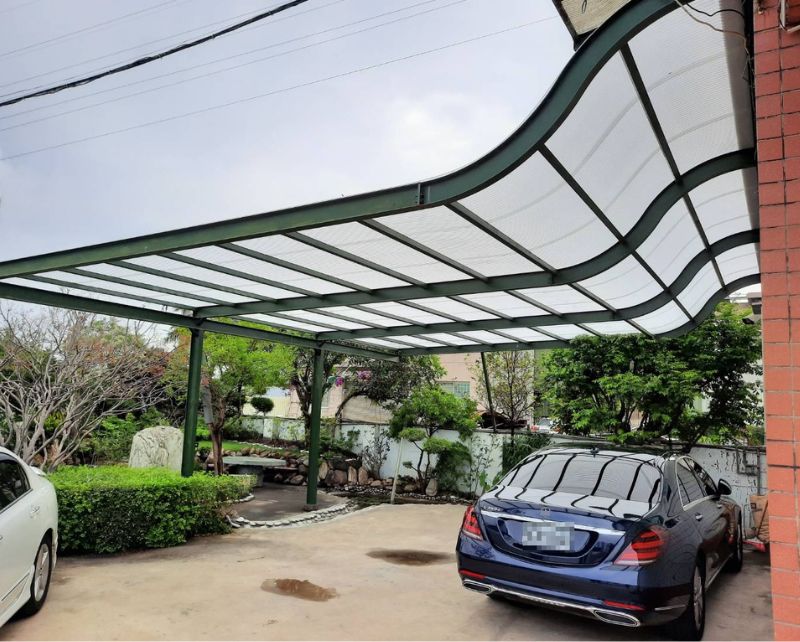
CARPORTS DESIGN IN TAINAN CITY, TAIWAN
Location: TAINAN CITY
ITEM: #L8 DIFFUSED POLYCARBONATE SHEET
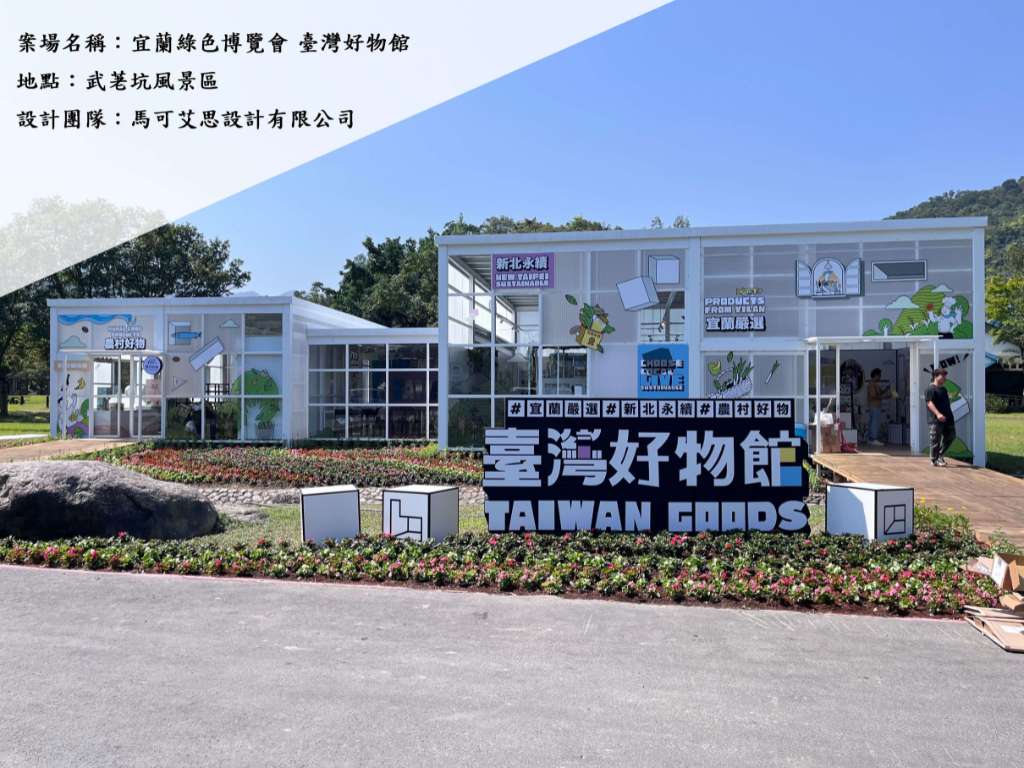
YILAN GREEN EXPO-Venues: Taiwan Goods
Location:Su'ao Wulaokeng Scenic Area
DESIGNED BY MAKE EYES DESIGN
ITEM: #L8 DIFFUSED POLYCARBONATE SHEET -1
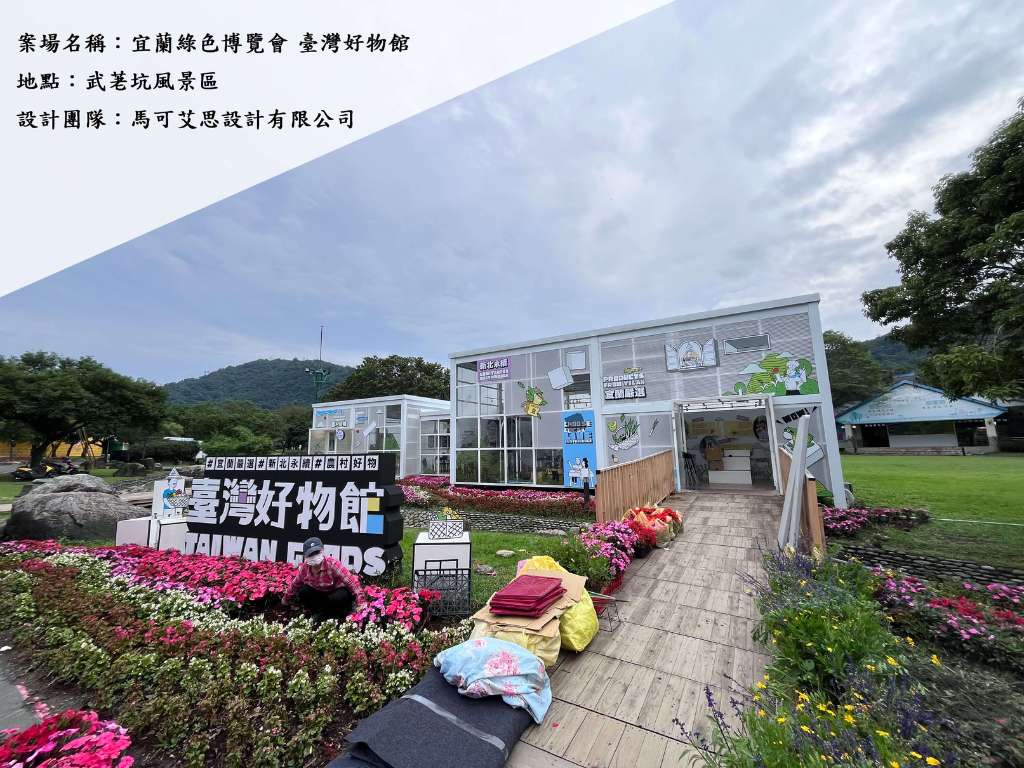
YILAN GREEN EXPO-Venues: Taiwan Goods
Location:Su'ao Wulaokeng Scenic Area
DESIGNED BY MAKE EYES DESIGN
ITEM: #L8 DIFFUSED POLYCARBONATE SHEET -2
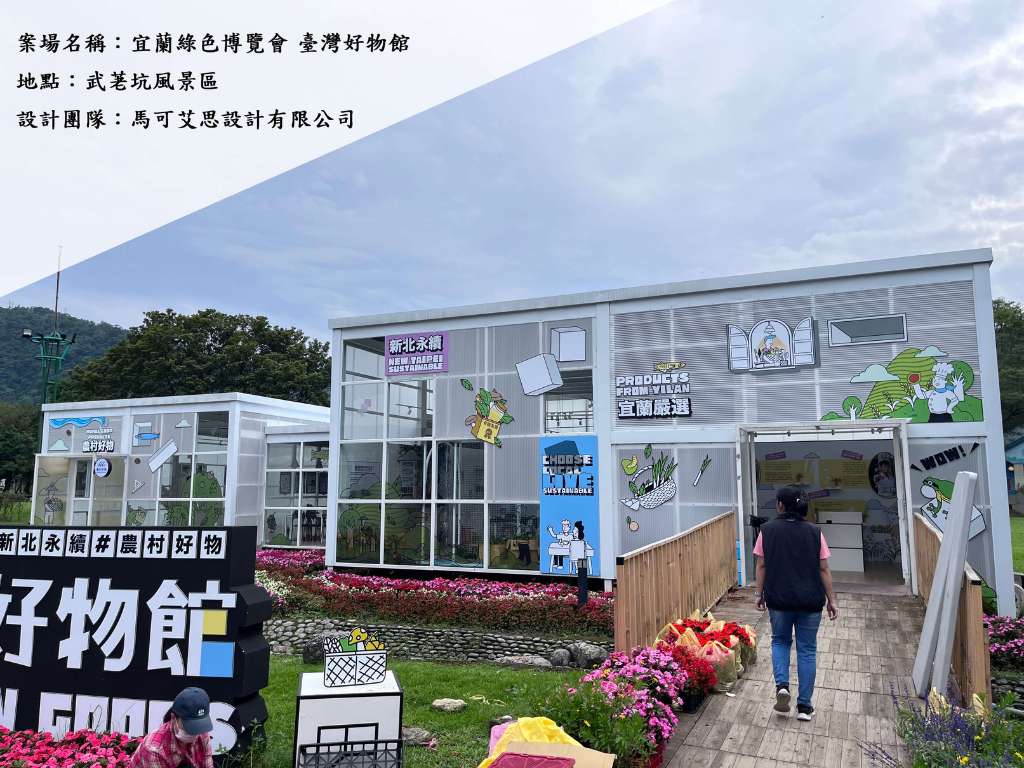
YILAN GREEN EXPO-Venues: Taiwan Goods
Location:Su'ao Wulaokeng Scenic Area
DESIGNED BY MAKE EYES DESIGN
ITEM: #L8 DIFFUSED POLYCARBONATE SHEET -3
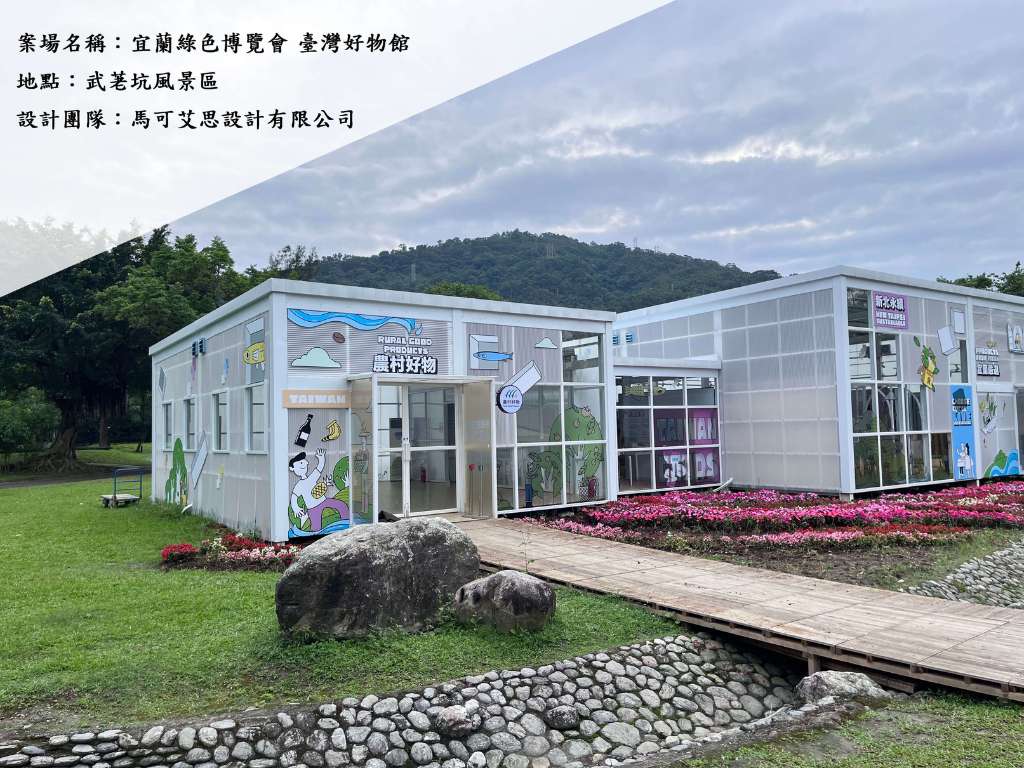
YILAN GREEN EXPO-Venues: Taiwan Goods
Location:Su'ao Wulaokeng Scenic Area
DESIGNED BY MAKE EYES DESIGN
ITEM: #L8 DIFFUSED POLYCARBONATE SHEET -4
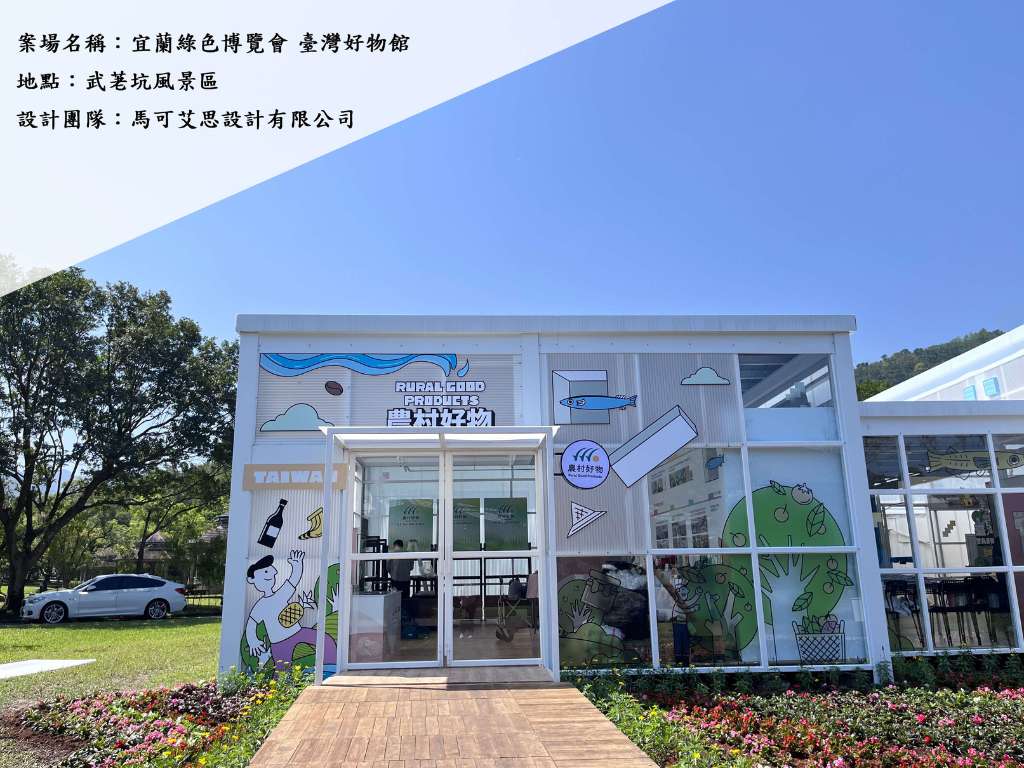
YILAN GREEN EXPO-Venues: Taiwan Goods
Location:Su'ao Wulaokeng Scenic Area
DESIGNED BY MAKE EYES DESIGN
ITEM: #L8 DIFFUSED POLYCARBONATE SHEET -5
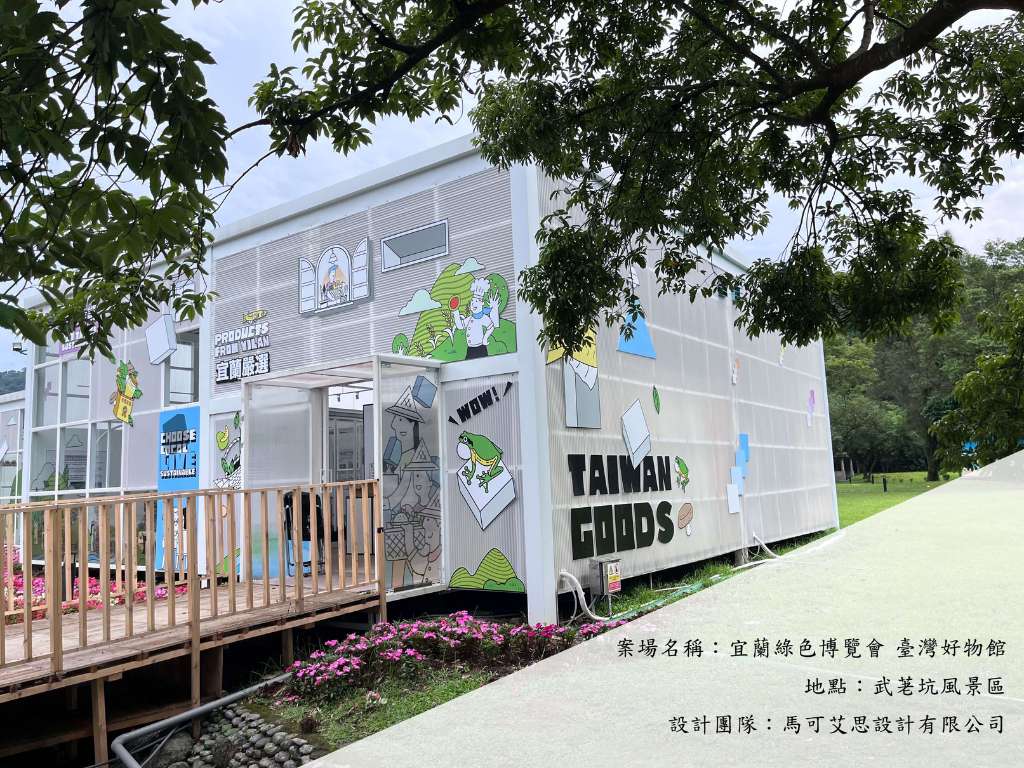
YILAN GREEN EXPO-Venues: Taiwan Goods
Location:Su'ao Wulaokeng Scenic Area
DESIGNED BY MAKE EYES DESIGN
ITEM: #L8 DIFFUSED POLYCARBONATE SHEET -6
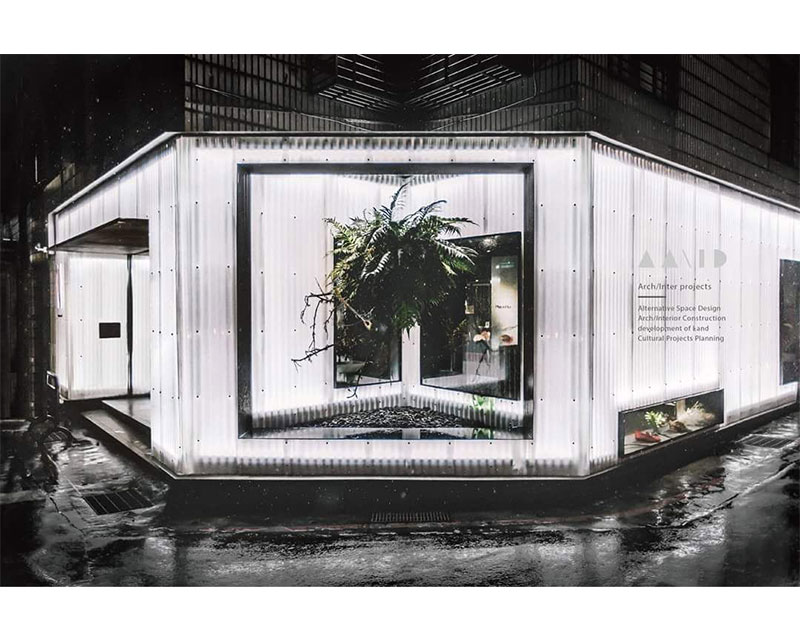
Maison Noir II (DESIGNED BY AAAID Studio)
APPLICATION:COMMERCIAL BUILDING DESIGN
ITEM:#L5 DIFFUSED POLYCARBONATE SHEET -1
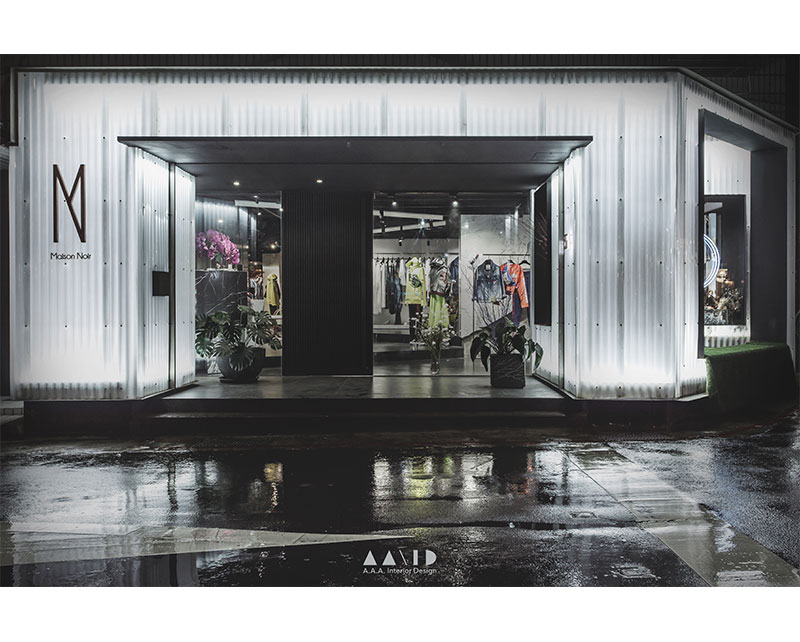
Maison Noir II (DESIGNED BY AAAID Studio)
APPLICATION:COMMERCIAL BUILDING DESIGN
ITEM:#L5 DIFFUSED POLYCARBONATE SHEET -2
Maison Noir II (DESIGNED BY AAAID Studio)
APPLICATION:COMMERCIAL BUILDING DESIGN
ITEM:#L5 DIFFUSED POLYCARBONATE SHEET -3
Maison Noir II (DESIGNED BY AAAID Studio)
APPLICATION:COMMERCIAL BUILDING DESIGN
ITEM:#L5 DIFFUSED POLYCARBONATE SHEET -4
Maison Noir II (DESIGNED BY AAAID Studio)
APPLICATION:COMMERCIAL BUILDING DESIGN
ITEM:#L5 DIFFUSED POLYCARBONATE SHEET -5
NCKU C-Hub in Tainan City
Application: Entrance of C-Hub
Location: National Cheng Kung University
Item: #L8 Small Circular Polycarbonate Sheet
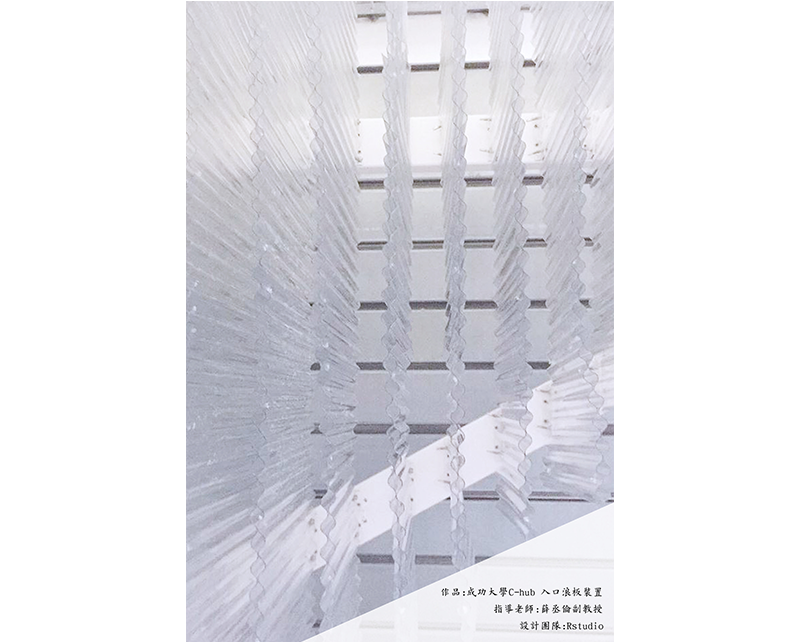
NCKU C-Hub in Tainan City
Application: Entrance of C-Hub
Location: National Cheng Kung University
Item: #L8 Small Circular Polycarbonate Sheet
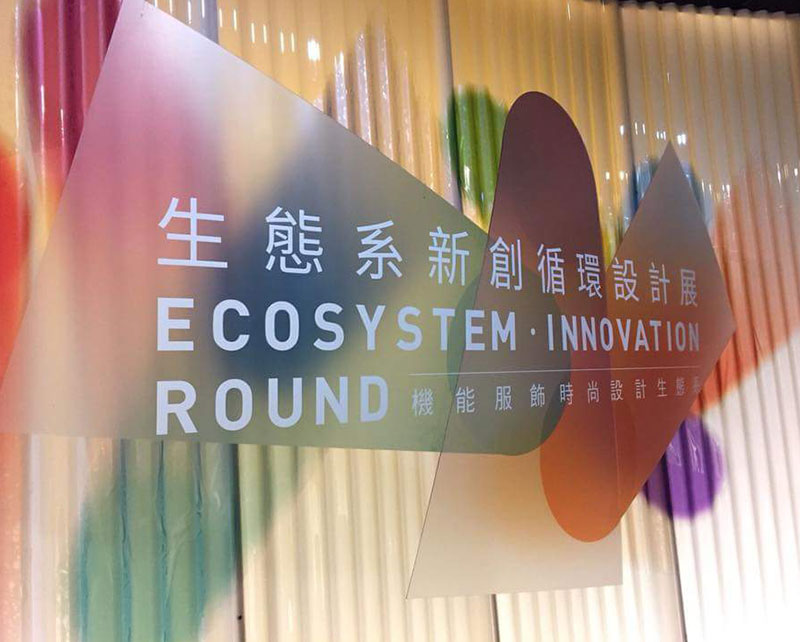
ECOSYSTEM AND INNVOATION ROUND (DESIGNED BY BOD DESIGN CO.,LTD
APPLICATION:EXHIBITION
ITEM:#L5 DIFFUSED POLYCARBONATE SHEET -1
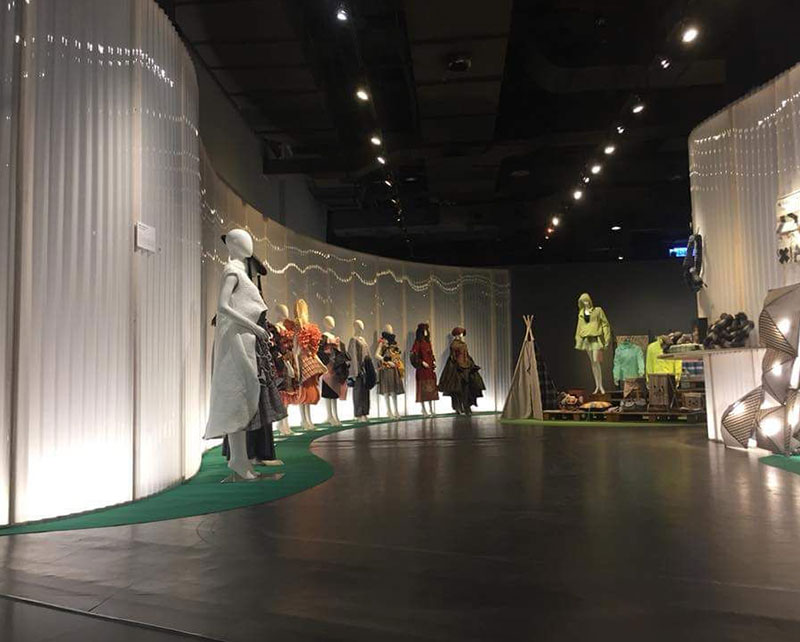
ECOSYSTEM AND INNVOATION ROUND (DESIGNED BY BOD DESIGN CO.,LTD)
APPLICATION:EXHIBITION
ITEM:#L5 DIFFUSED POLYCARBONATE SHEET -2
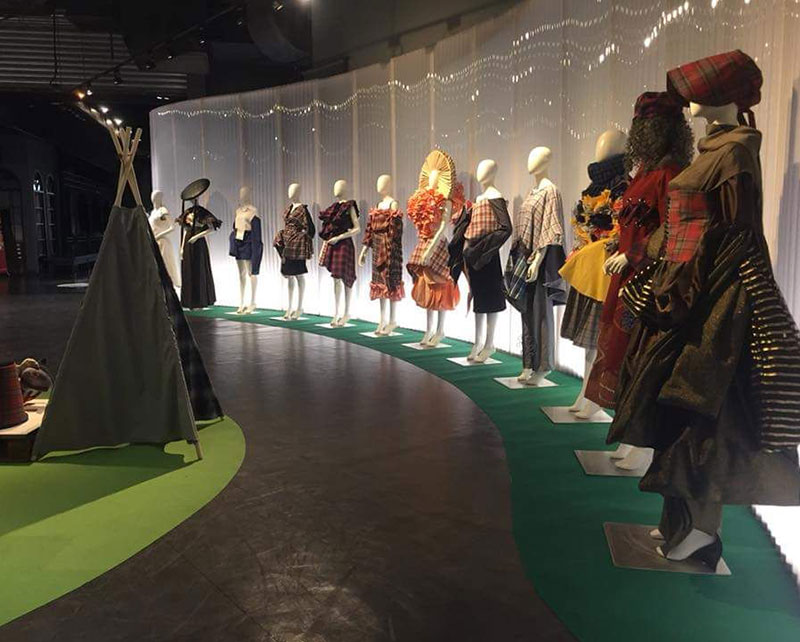
ECOSYSTEM AND INNVOATION ROUND (DESIGNED BY BOD DESIGN CO.,LTD
APPLICATION:EXHIBITION
ITEM:#L5 DIFFUSED POLYCARBONATE SHEET -3
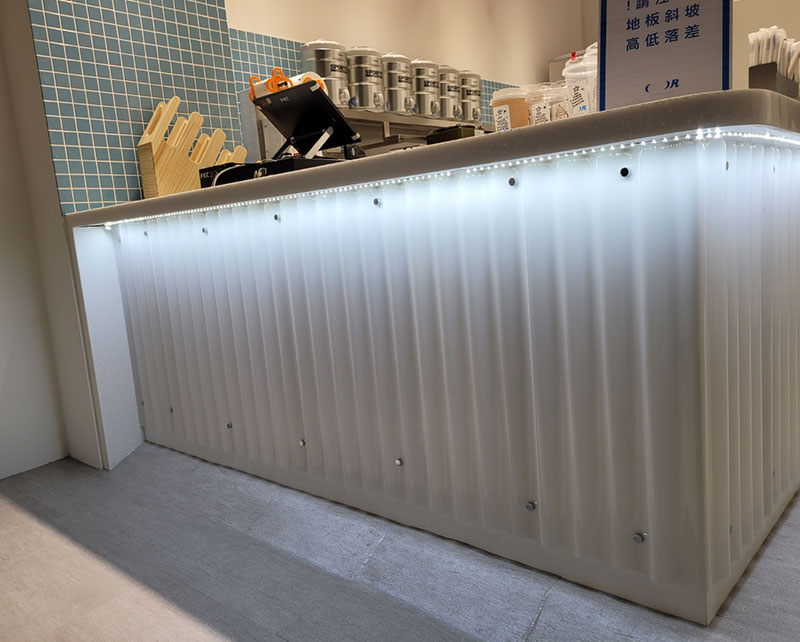
COMMERCIAL INTERIOR DESIGN
ITEM:#L5 DIFFUSED POLYCARBONATE SHEET
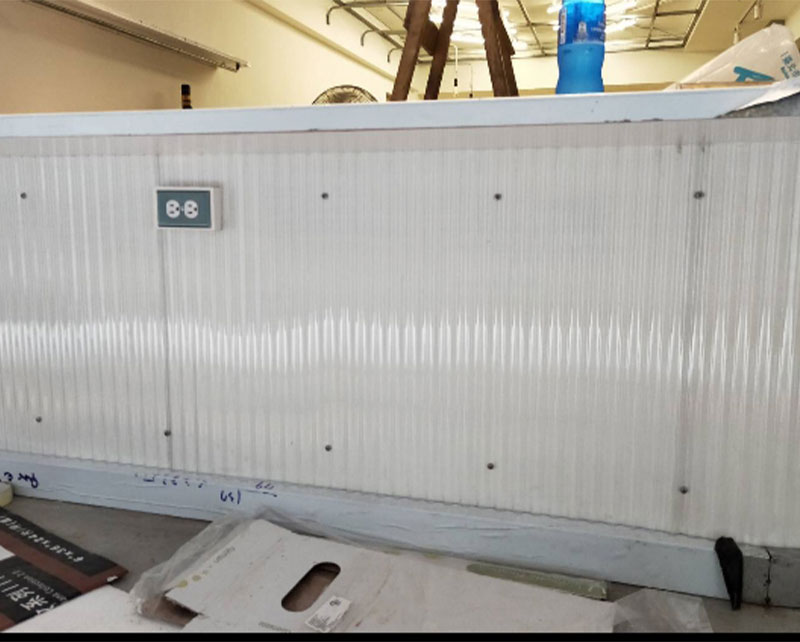
COMMERCIAL INTERIOR DESIGN
ITEM:#L8 SMALL CIRCULAR POLYCARBONATE SHEET
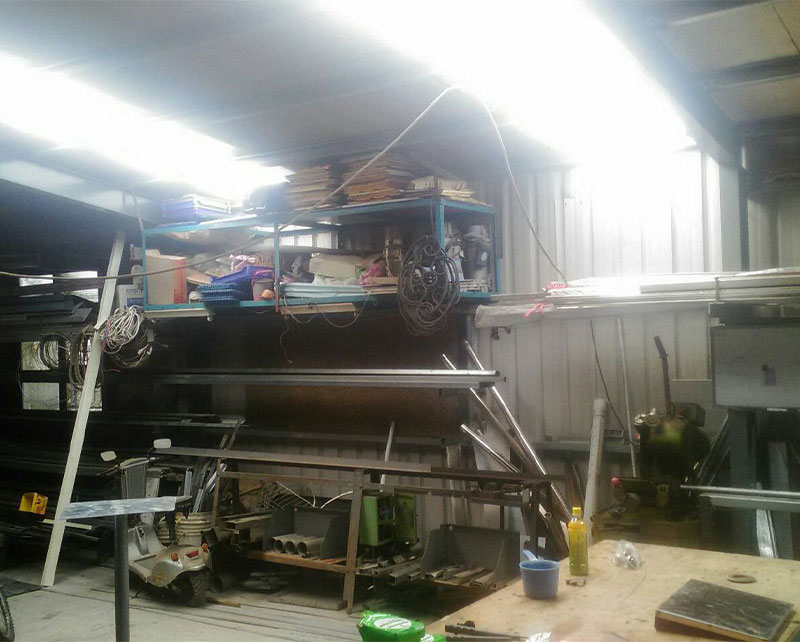
FACTORY REFURBISHMENT
ITEM:#L1 DIFFUSED POLYCARBONATE SHEET
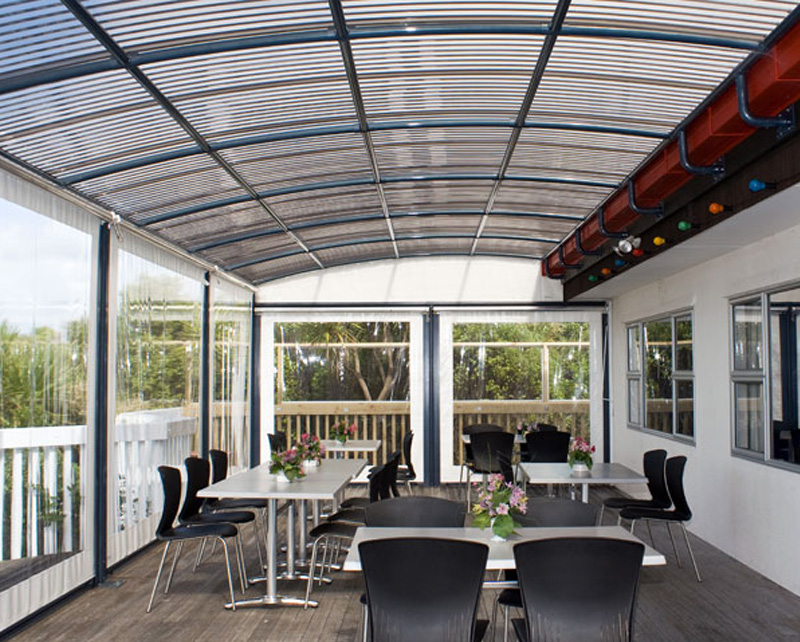
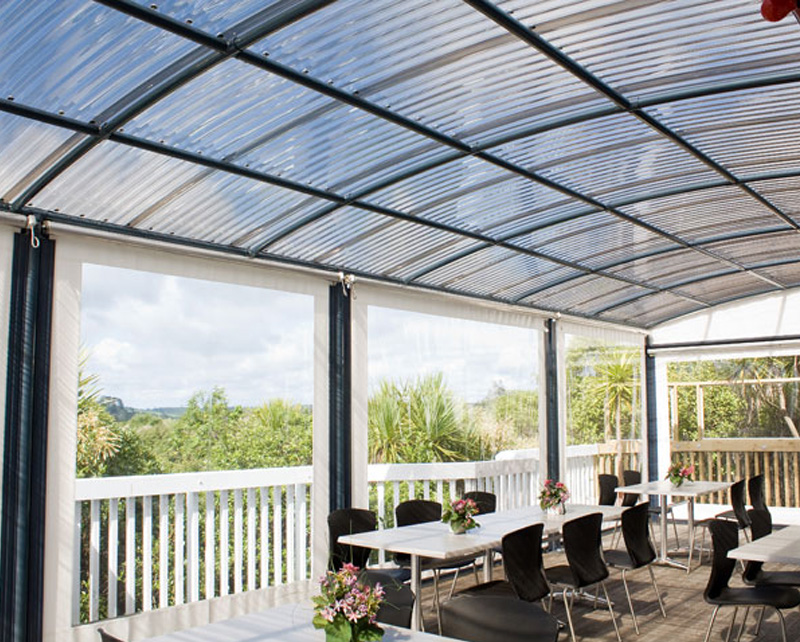
Polycarbonate Veranda DIY
corrugated plastic roofing
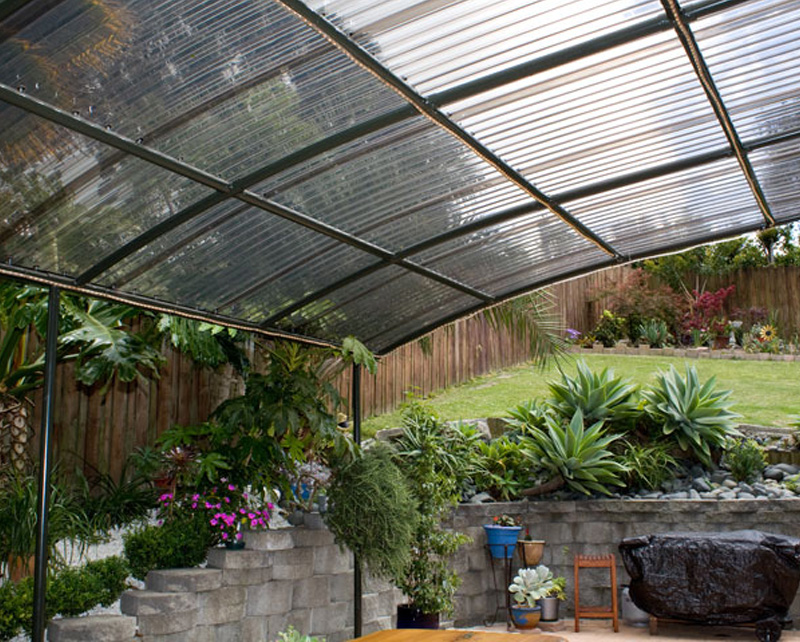
Glass roof system DIY
plastic roofing sheets
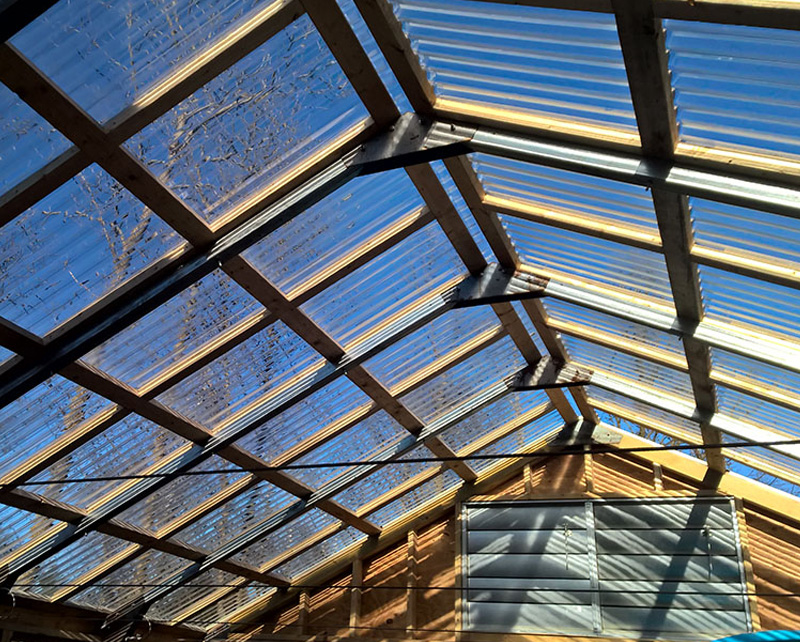
Pergolas Cover Roofing
clear roof panels
shed skylight
clear plastic roofing
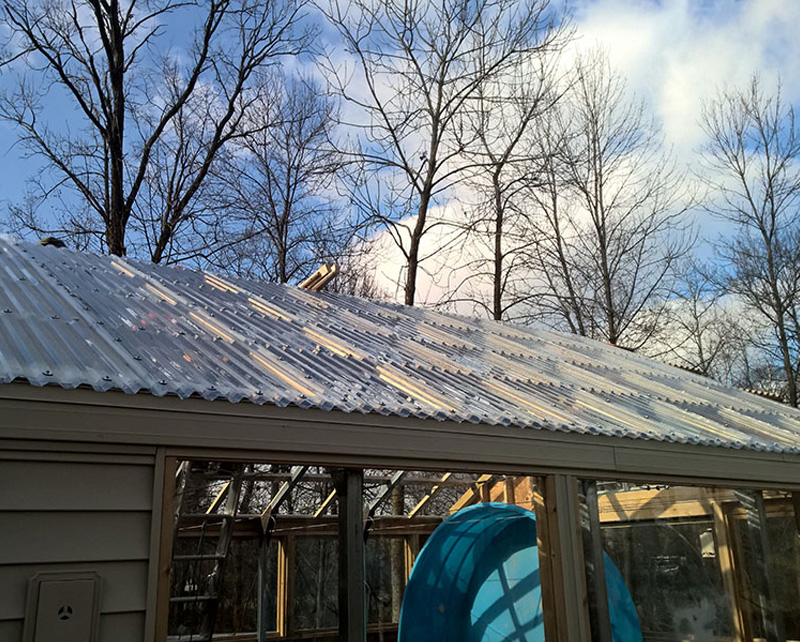
skylight plastic shed
Polycarbonate Skylight
